
46. Increasing Milk Supply :: A Postpartum‑Centered, Physiological Approach ::
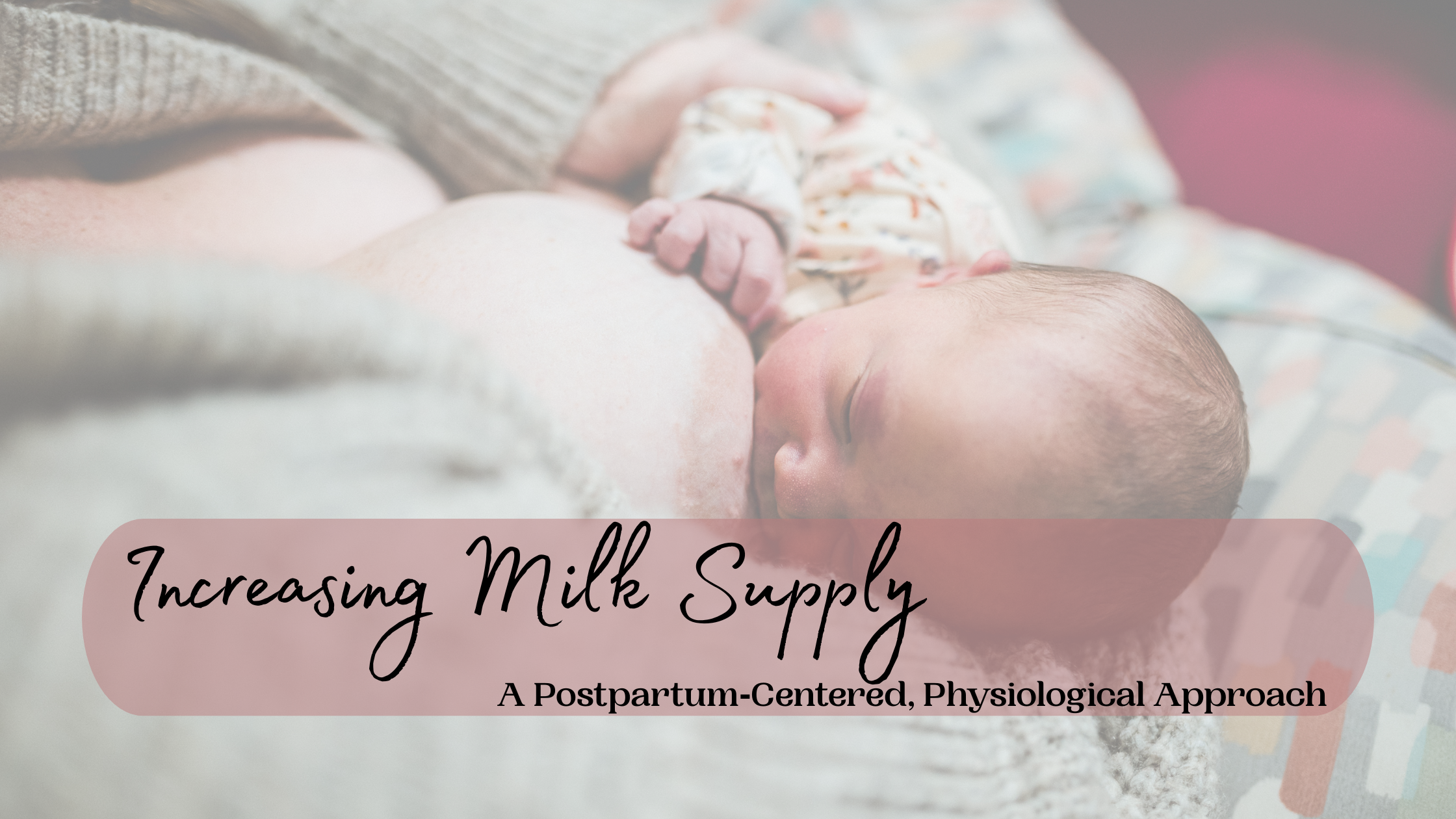
Low milk supply is one of the most common concerns I hear from postpartum mothers. And yet, in most cases, the issue is not a broken body—it’s a depleted one.
Milk production is not isolated to the breasts. It is the result of hormones, nourishment, hydration, rest, and consistent milk removal, all working together in a body that is actively healing from pregnancy and birth. When we approach supply through a holistic, postpartum‑centered lens, we often see dramatic improvement without chasing gimmicks or quick fixes.
This guide walks through the foundational pillars of increasing milk supply in a way that honors the physiology of lactation and the reality of postpartum recovery.
Nourishment: The Foundation of Milk Production
Calories Matter—A Lot
Breastfeeding is metabolically demanding. Producing milk requires significant energy, and many women are unintentionally under‑eating during the postpartum period.
A helpful starting point is to calculate your Total Energy Expenditure (TEE) {here’s a calculator} and then add approximately 500 calories per baby. For most postpartum women—especially in the first 12 weeks—this places true needs around 3,000 calories per day, sometimes more.
This early postpartum window is not the time for dieting. Calorie restriction can quickly:
Decrease milk supply
Disrupt hormones
Increase fatigue and anxiety
Contribute to postpartum depression
Healing and milk production must come first.
Protein: Non‑Negotiable
Aim for 100–150 grams of protein daily.
Protein supports:
Milk synthesis
Blood sugar regulation
Hormone production
Tissue repair
Nervous system stability
Without adequate protein, the body struggles to sustain supply—especially during periods of cluster feeding or growth spurts.
Continue Your Prenatal Vitamins
Pregnancy and birth place immense demands on maternal mineral stores. Babies draw from the mother’s reserves of iron, magnesium, calcium, iodine, zinc, and more.
Depletion is strongly linked to:
Postpartum depression and anxiety
Hair loss
Thyroid dysfunction
Hormonal imbalance
Poor milk production
Continuing a high‑quality prenatal vitamin postpartum is one of the simplest ways to support replenishment while breastfeeding.
Postpartum Digestion: Why Cooked Foods Matter
In the early postpartum period, the body is healing tissues, balancing hormones, and establishing lactation—all at once. Digestion is energy‑intensive.
Prioritizing warm, cooked foods helps reduce digestive strain so the body can focus on recovery and milk production.
Focus on:
Cooked grains
Cooked vegetables
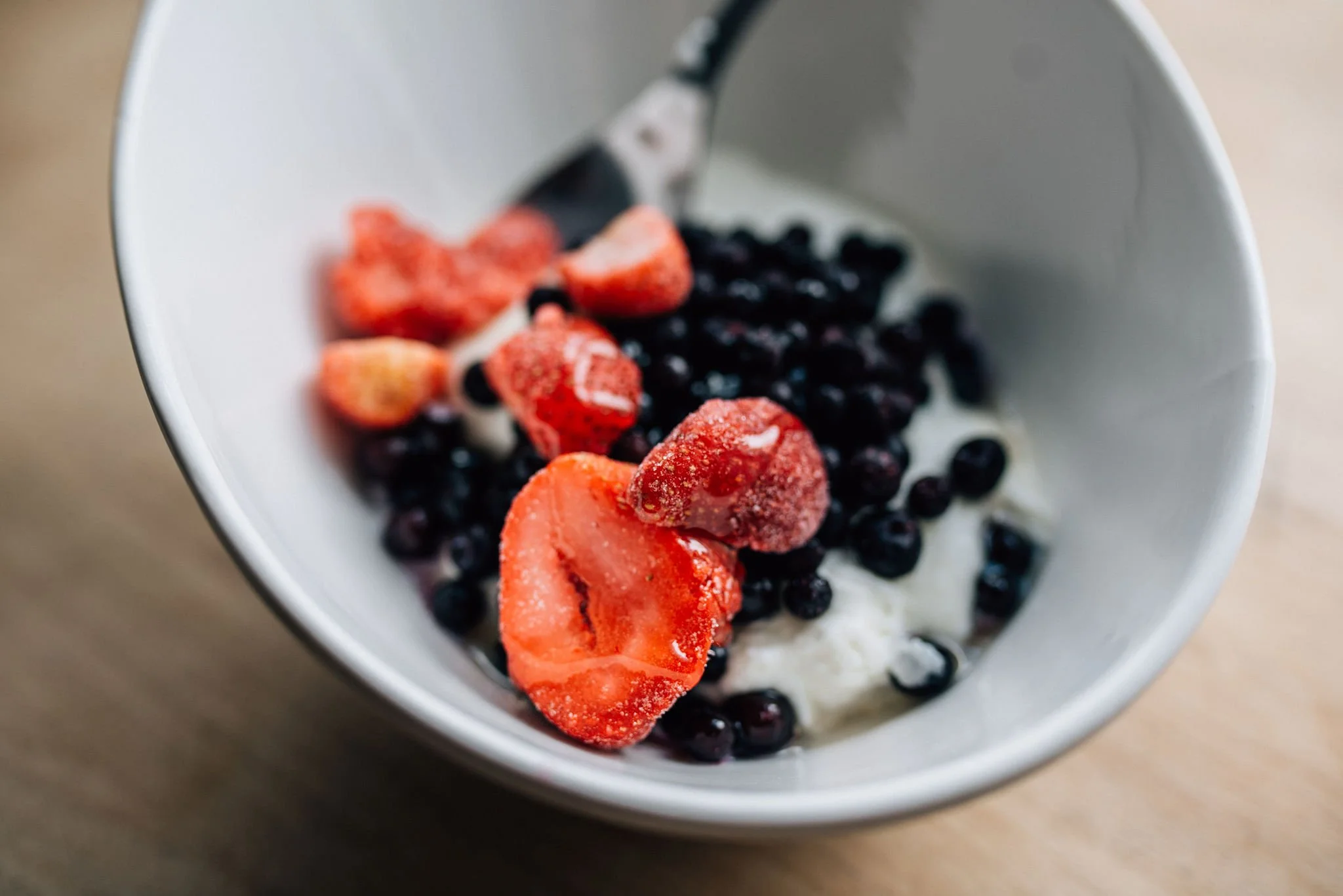
Stewed or baked fruits
Soups, stews, and warm meals
For a deeper dive into postpartum nutrition, I highly recommend The First Forty Days, which beautifully explains why traditional cultures emphasize warmth and nourishment after birth.

Skip Processed Lactation Treats
Packaged lactation cookies, brownies, and drinks are heavily marketed—but rarely effective long‑term.
Most are:
High in sugar and refined ingredients
Low in true nutritional value
Expensive
Unable to compensate for inadequate calories or poor milk removal
Instead, focus on real food, sufficient calories, hydration, healthy fats, and protein. These are the true drivers of supply.
A Whole‑Food Lactation Oatmeal Recipe
This simple recipe supports milk production without relying on processed ingredients.
Ingredients
½ cup oats
½ cup oat milk
1 tbsp cocoa powder
1 tbsp chia seeds
1 tbsp flax seeds
1 tbsp brewer’s yeast
2 tbsp peanut butter
2 tbsp maple syrup
Mix until desired consistency. Adjust liquid as needed.
Optional Additions:
Cooked fruit
Chocolate chips
Extra nuts or seeds
This mixture can also be rolled into bars or balls and stored in the freezer for easy postpartum snacks.
Supplements: Supportive, Not Primary
Fenugreek: Proceed With Caution
I do not recommend fenugreek. While it helps a small percentage of women, it lowers supply for many, and the risk often outweighs the benefit.
A Better Option
If supplements are desired, Legendairy Milk products tend to be more reliable and better tolerated. I’ve seen them support supply effectively when paired with proper milk removal.
That said, supplements alone cannot override physiology.
Milk Removal: The Most Important Factor
Milk production is hormonally driven by oxytocin and endorphins—hormones released through regular, effective milk removal.
No supplement, food, or drink can replace this step.
If milk is not being removed, the body assumes it is not needed and slows production accordingly.
Hydration: Minerals Over Plain Water
Aim for at least 150 ounces of fluids daily, but avoid relying on plain water alone.
Minerals are essential for:
Cellular hydration
Hormone signaling
Nervous system function
Milk production
Adding mineral salt or using mineral‑rich water prevents dilution and supports true hydration.
Pumping Strategies to Increase Supply
Milk production increases in response to effective, frequent milk removal. Whether you are breastfeeding directly, pumping, or doing a combination of both, the goal is to consistently signal to the body that milk is needed.
If Breastfeeding Directly
Nurse baby to satisfaction first
Then pump for at least 30 minutes afterward
This tells the body that what was just made was not enough and that more milk is required.
Combination Nursing & Pumping Option
Another effective strategy is to:
Nurse baby on one breast
Pump the opposite breast at the same feeding
Switch sides at the next feeding
This method keeps both breasts stimulated at every feeding, ensuring neither side is left idle for long periods. It can be especially helpful for:
Increasing overall supply
Managing a slower-producing side
Mothers who feel overwhelmed by pumping after every feeding
By consistently stimulating both breasts, you reinforce the message to your body that more milk needs to be made.
Tips for Effective Pumping
Use stimulation mode to trigger let-down
Switch to expression mode during active milk flow
Massage and knead the breasts while pumping to improve flow
Focus on comfort and relaxation—stress can inhibit let-down
Use a hands-free pumping bra
Use a nipple cream to lubricate flanges
Efficient milk removal is one of the strongest signals the body receives to increase milk production.
Understanding Supply and Demand
Milk production works like a factory:
Full shelves = production slows
Empty shelves = production increases
Milk sitting in the breasts sends the message that it is not needed. Frequent and complete removal tells the body to make more.
Pumping Frequency in the Early Days
To increase supply:
Pump every 2 hours minimum in the early postpartum period
Babies naturally cluster feed—especially before growth spurts, which occur frequently in the first months. Cluster feeding is not a sign of low supply. It is a biological request for increased production.
Your role is to reinforce that signal.
Flange Fit Can Make or Break Supply
Improper flange sizing can significantly reduce output and cause discomfort or damage—particularly for exclusive pumpers.
I highly recommend working with an independent lactation consultant for personalized flange fitting and pump optimization. Many women believe their flanges fit correctly when they do not.
Trusted Resources
Final Thoughts
Low milk supply is rarely a personal failure. More often, it is the body asking—sometimes quietly, sometimes urgently—for more nourishment, more support, and more rest during one of the most demanding seasons of a woman’s life.
The postpartum period is not meant to be endured alone or powered through on fumes. Your body has just grown, birthed, and is now sustaining new life. That is holy, strenuous work. When milk supply feels fragile, it is not evidence that your body is broken—it is often evidence that it has been asked to give more than it has been given.
When we slow down enough to center postpartum recovery, when we honor the physiology of lactation instead of fighting it, and when we support the mother as intentionally as we support the baby, something powerful happens. The nervous system softens. Hormones stabilize. The body feels safe enough to produce.
Milk supply often follows—not through force, fear, or frantic effort—but through consistent nourishment, effective milk removal, and compassionate care for the mother herself.
If you are struggling, you are not failing. You are responding to a real biological demand in a culture that often underestimates what postpartum bodies truly require. With the right support, information, and patience, many women find that their bodies are far more capable than they were led to believe.
You deserve nourishment. You deserve rest. And you deserve to be supported in this season just as deeply as the life you are nurturing.
Stay Wild & Free,
-Brandy
Join me over in Fearless Birth Sanctuary!
>>CLICK HERE<<
Rooted in Christ, Fearless Birth Sanctuary embodies a holistic approach that champions autonomous, physiological birth, creating a secure and sacred space for you to flourish with confidence and joy. This sanctuary invites you to embark on a journey where you can learn, prepare, and fully embrace the profound depths of your own strength and resilience. Here, you are empowered to experience birth as a divine design, rooted in joy, autonomy, and the unwavering support of your faith.